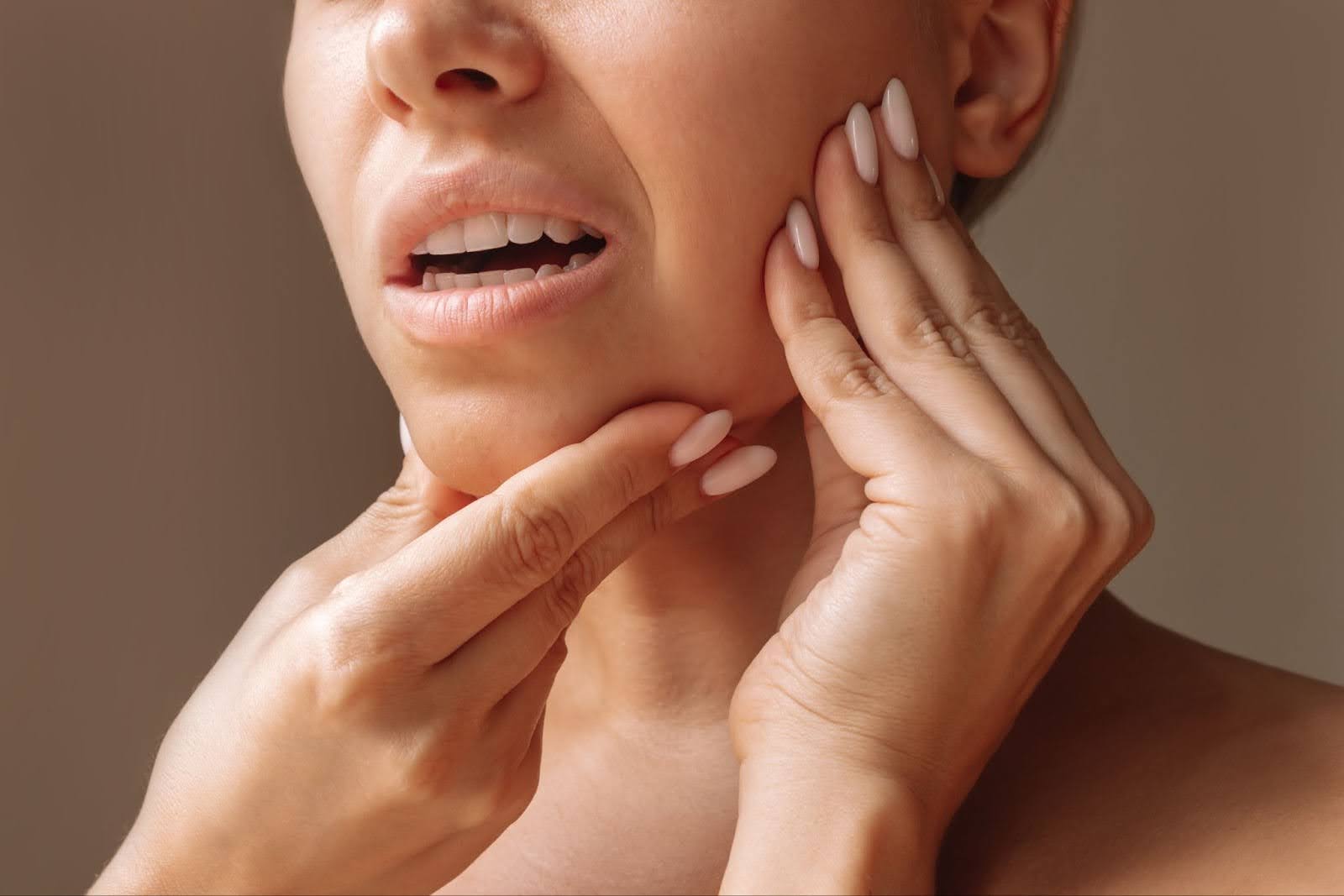
The 6 Most Common Causes of Jaw Pain—and What Really Helps. You Might Be Surprised
Jaw pain can make even something as simple as taking a bite of a sandwich difficult. In this article, we’ll discuss why your jaw hurts when you open your mouth, why pain occurs near your ear or under your jaw, and how your teeth, wisdom teeth, and temporomandibular joint are involved. You’ll find a clear guide to diagnosis, treatment options (including orthodontics and temporomandibular joint physical therapy), and tips for gentle relief.
Why might your jaw hurt, and what are the symptoms?
Jaw pain can be a source of discomfort even during the most everyday activities—such as talking, chewing, or yawning. Sometimes it feels like a dull pressure; other times, it’s a sharp pain in the jaw and teeth that shoots up to the ear or down the throat. Sometimes the pain is in the upper jaw, other times in the lower jaw, or even near the ear.
Another common symptom is jaw pain when touched or localized pain in the jaw beneath a tooth. It may be on one side only, or it may even spread to the neck.
What all these symptoms have in common is that they reduce quality of life —and in the worst cases, they can be accompanied by pain in the gums, teeth, or even the temporomandibular joint (TMJ).
The 6 Most Common Causes of Jaw Pain
Jaw pain can have a variety of causes—ranging from dental problems and issues with the temporomandibular joint to overuse or injury. What should you watch out for, and when should you seek professional help?
Jaw pain caused by teeth and gums
Gum inflammation, tartar, or untreated tooth decay can lead to pain that radiates into the jaw area. Pain under the jaw caused by a tooth can be particularly severe, for example in the case of an abscess —a collection of pus that forms as a result of an infection. In such cases, it is important to seek treatment promptly; otherwise, the problem can quickly worsen.
Growth or complications with wisdom teeth
Wisdom teeth are a common culprit when you experience pain in the back of your jaw. Jaw pain caused by a wisdom tooth can persist even after it has erupted or been extracted. And jaw pain following the extraction of a wisdom tooth —or the extraction of any tooth—is a common complication that the body sometimes takes a while to adjust to. However, if the pain persists for more than a few days, it’s a good idea to check for complications, such as a dry socket.
Temporomandibular Joint (TMJ) Disorders
Disorders of the temporomandibular joint (i.e., the point where the jaw connects to the skull) often manifest as pain in a specific location—usually around the ear or the jaw joint.
Prolonged pressure, strain, or displacement of the joint (known as dislocation) can cause not only pain in the jaw joint but also limited mobility. You usually cannot resolve this problem on your own—treatment may involve both orthodontic solutions and other specialized procedures.
Jaw Injuries and Strain
A minor injury or even long-term strain ( e.g., from stress, teeth grinding, or poor posture) can cause the temporomandibular joint to become overloaded. Typical symptoms include jaw pain when yawning, chewing, or opening the mouth.
If these symptoms recur, don’t ignore them. They may indicate a TMJ disorder that needs to be treated by a specialist—before the pain worsens or spreads.
Jaw pain after a tooth extraction
After a tooth extraction, your jaw may hurt not only on the day of the procedure but also for several days afterward. This is because your body needs time to heal. Jaw pain after an extraction is common, but it should gradually subside. If, on the other hand, the pain worsens, it may be a complication that requires a follow-up visit to the dentist.
Jaw joint pain associated with other symptoms
Jaw joint pain may not be limited to a single area—it can radiate to the ear or the neck. Jaw and neck pain is often accompanied by stiffness, pressure, or pain when turning the head.
If a runny nose or sinusitis is also present, the pain can make it difficult to breathe and disrupt sleep. Here, too, the cause may lie in the bite or the alignment of the teeth, which place excessive strain on the jaw structures.
How common is jaw pain, and how does it affect daily life?
Research indicates that 4–7% of the population suffers from jaw pain that is either frequent or severe enough to require professional treatment. It occurs more frequently in women and in people who also suffer from other painful conditions (Lövgren et al., 2016; Türp et al., 2016; Goulet et al., 1995).
However, jaw pain rarely occurs in isolation— it is often accompanied by pain in other parts of the body. It affects everyday jaw functions, such as chewing, speaking, or yawning, and also impacts mental well-being and quality of life (Kliangkaeo et al., 2024; Xiong et al., 2023; Yap et al., 2024; Goulet et al., 1995).
Diagnosing Jaw Pain: How We Determine What’s Causing Your Pain
During your initial consultation—which is free of charge at Svět rovnátek—we will also examine your temporomandibular joint and look for any signs of strain.
We will then proceed to a thorough initial examination — we’ll take X-rays, perform a 3D scan of your teeth, and, if necessary, create digital or traditional impressions.
With this information, the orthodontist can accurately identify the source of the pain —whether it’s pressure, a temporomandibular joint disorder, misaligned teeth, or another cause—and recommend an effective solution.
“Jaw pain is often not just a problem with a single tooth or joint. In most cases, it results from a combination of factors—ranging from the alignment of the teeth and tension in the surrounding muscles to the effects of stress. That is precisely why it is important to take a comprehensive approach to treatment and identify the underlying cause, rather than simply suppressing the symptoms.”
How is jaw pain treated? Options that really work
As you’ve learned from this article, jaw pain can have various causes —and the appropriate treatment depends on the specific cause. Below is an overview of the most common causes and ways to address them professionally (and safely).
When the pain comes from the teeth or gums (tooth decay, inflammation, infection)
If you are experiencing pain in your gums or jaw, it may be caused by inflammation, deep tooth decay, or an abscess (a buildup of pus resulting from an infection). In such cases, root canal treatment (endodontics), tooth extraction, or targeted antibiotic therapy may be necessary.
It is important not only to relieve the pain, but also to treat and stabilize the affected area so that the problem does not return.
When pain is related to the bite or the alignment of the teeth – orthodontic treatment
Misaligned teeth or a bad bite can put excessive strain on the temporomandibular joint and cause pain—often chronic pain. In these cases, it’s not just a matter of aesthetics.
Orthodontic treatment using Invisalign invisible aligners, which we use at Svět rovnátek, allows for gentle yet targeted teeth straightening. The result is relief from temporomandibular joint pain and an overall improvement in bite function.
Modern orthodontics not only helps you achieve a beautiful smile, but also a more comfortable, pain-free life.
When support outside the dental office can help
In some cases, physical therapy can also provide relief—for example, when the temporomandibular joint is overloaded. An experienced physical therapist may recommend exercises to relax the muscles, gentle joint mobilization, or techniques to reduce tension.
Although we do not offer this service directly, a combination of orthodontic treatment and physical therapy can be an effective solution for more complex cases.
What You Can Do at Home for Acute Pain
You can relieve short-term or sudden pain with home remedies. The following may help:
- alternating hot and cold compresses on the affected area,
- over-the-counter pain relievers (always follow the dosage instructions),
- Avoid chewing and straining to open your mouth (e.g., while eating or speaking).
If the pain does not subside, gets worse, or is accompanied by swelling or a fever, don’t wait —contact your dentist or orthodontist.
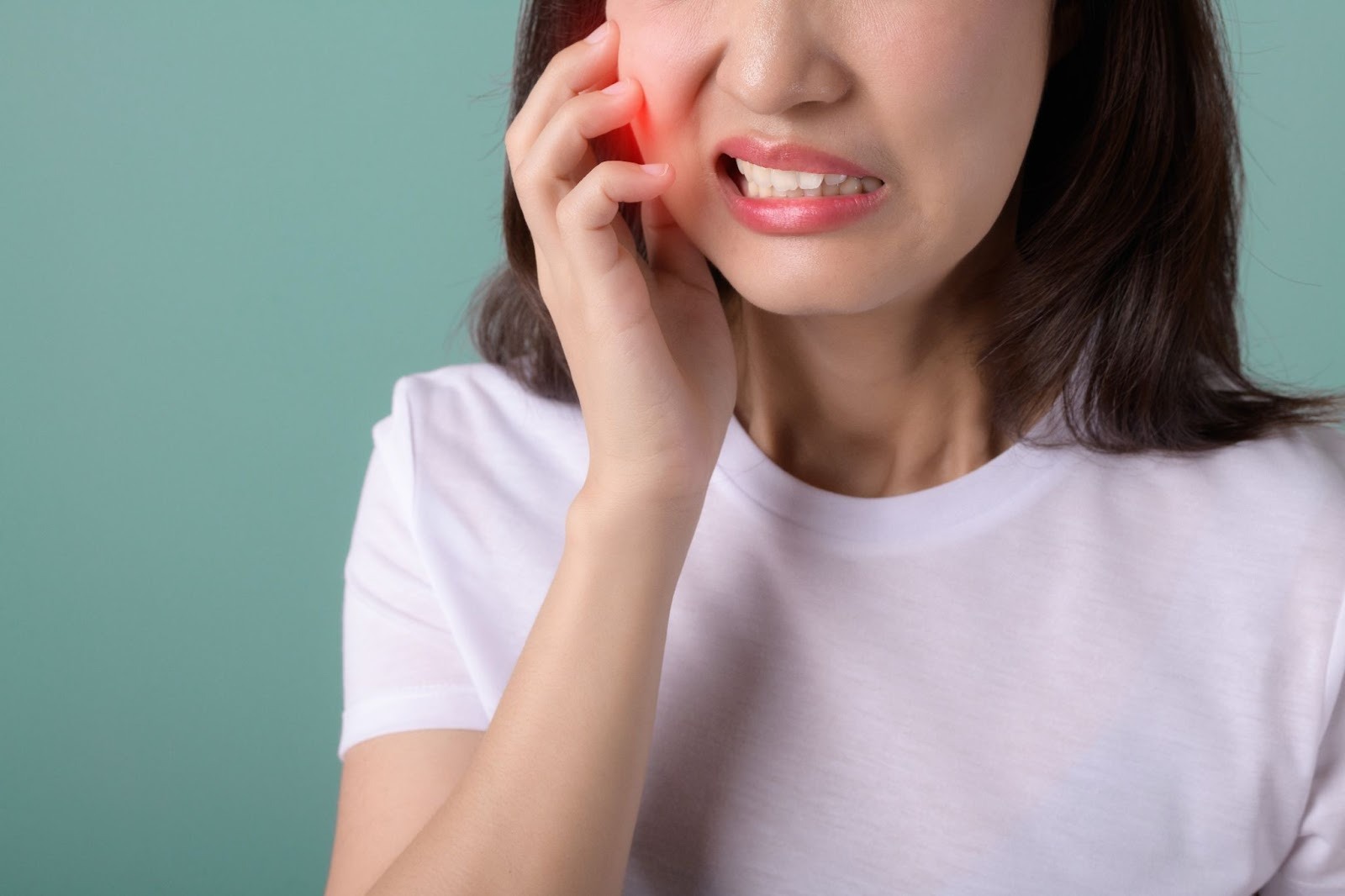
When should you see a doctor or specialist?
Seek medical attention if the pain:
- lasts longer than a few days,
- is very intense or spreads to the ear or throat,
- is accompanied by swelling, fever, or difficulty swallowing.
Preventing Jaw Pain: What You Can Do Today
The foundation of a healthy jaw is regular dental care —that is, thorough dental hygiene and regular visits to the dentist. It is during these preventive checkups that emerging problems can be detected early on, problems that could later lead to jaw pain.
Early orthodontic diagnosis is also very important—not only for children, but also for adults who experience pain in the TMJ area or notice that their bite is out of alignment.
If you suspect that your teeth are crowded or misaligned, don’t put off seeking treatment. Even distribution of pressure on the teeth and proper alignment play a key role in preventing pain. And as we know, prevention is often the best treatment.
Recommended reading: A–Z Orthodontic Glossary 📚 Get familiar with dental jargon!
How can Svět rovnátek help?
Schedule a free, no-obligation consultation. We’ll provide you with a 3D visualization of your teeth and a treatment plan based on a facio-centric approach—taking into account your facial shape, jaw position, and TMJ function. Thanks to our advanced technologies , we’ll help you determine the exact cause of your pain— and the best path to relief and a healthy smile.
You often ask
What if my jaw hurts?
First and foremost, don’t ignore your symptoms—jaw pain can have a variety of causes, ranging from dental issues to temporomandibular joint (TMJ) strain. Make an appointment with an orthodontist or dentist, who will diagnose the cause and recommend targeted treatment. At Svět rovnátek, we also focus on issues related to bite, tooth alignment, or joint imbalance.
What are the symptoms of temporomandibular joint inflammation?
Inflammation of the TMJ (temporomandibular joint) usually manifests as pain in the area around the ear or the jaw joint, which worsens when opening the mouth, chewing, or yawning. Sometimes there is also a grinding or clicking sound, or a feeling of restricted movement. If you experience similar symptoms, we recommend seeking a professional examination—the sooner, the better.
Where should I go if I have jaw pain?
Ideally, somewhere where they have a comprehensive understanding of pain. At Svět rovnátek, we’ll help you determine whether your jaw pain is related to your bite, your teeth, or your temporomandibular joint. During a free, no-obligation consultation, we’ll perform a 3D scan of your teeth and recommend a treatment plan tailored specifically to the cause of your discomfort.
How can I relieve tension in my jaw?
Try gently massaging your jaw, applying a warm compress, or doing a few simple relaxation exercises. However, if the pain persists or worsens, the cause may be more serious—such as an issue with your bite or the alignment of your teeth. In that case, make an appointment with an orthodontist. We’d be happy to see you at Svět rovnátek and advise you on exactly what will bring relief to your smile and jaw.
You might be interested in these articles:
- Discover invisible braces
- 5 Questions About Invisible Braces You Were Afraid to Ask
- Review of "The World of Braces": with responses from Venis Dao, Jan Hrdlička, and Lucie Bechynková
- Braces at any age, for children and adults
- A comprehensive guide to living with braces
- Tips and Tricks: How to Make Life Easier with Invisible Braces?
Resources used:
- Goulet, J., Lavigne, G., & Lund, J. (1995). Prevalence of Jaw Pain Among French-speaking Canadians in Quebec and Related Symptoms of Temporomandibular Disorders. Journal of Dental Research, 74, 1738–1744. https://doi.org/10.1177/00220345950740110401
- Kliangkaeo, W., Tangpothitham, S., Mitrirattanakul, S., & Wachiralarpphaithoon, C. (2024). The effect of different pain characteristics on jaw functional limitations in patients with temporomandibular disorders. Journal of Oral Rehabilitation. https://doi.org/10.1111/joor.13674
- Lövgren, A., Häggman-Henrikson, B., Visscher, C., Lobbezoo, F., Marklund, S., & Wänman, A. (2016). Temporomandibular pain and jaw dysfunction at different ages across the lifespan – A population-based study. European Journal of Pain, 20 https://doi.org/10.1002/ejp.755
- Türp, J., Schmutzer, G., Brähler, E., & Häuser, W. (2016). Prevalence of self-reported jaw pain in Germany: two cross-sectional surveys of the general German population. Clinical Oral Investigations, 20, 1895-1901. https://doi.org/10.1007/s00784-015-1661-7
- Xiong, X., Xiao, C., Yang, Y., Li, Y., Cheng, Q., Wang, X., & Liu, Y. (2023). Patients with temporomandibular disorder who experience excessive daytime sleepiness report greater pain intensity and reduced jaw function. Journal of Oral Rehabilitation. https://doi.org/10.1111/joor.13639
- Yap, A., Lei, J., Liu, C., & Fu, K. (2024). Characteristics of painful temporomandibular disorders and their influence on jaw functional limitation and oral health-related quality of life. Journal of Oral Rehabilitation. https://doi.org/10.1111/joor.13768