How to brush your teeth properly or a practical guide to brushing your teeth
Proper tooth brushing is essential not only for a beautiful smile, but also for overall oral health. Whether you use a manual, electric, or sonic toothbrush—do you know how to brush your teeth properly? How many times a day, for how long, and exactly when? And what should you do if you forget your toothbrush at home? Read this practical guide, which answers all your most pressing questions.
Why is proper tooth brushing so important?
Many people don’t realize that brushing your teeth isn’t just about aesthetics. If you don’t brush your teeth regularly and properly, plaque begins to build up on their surfaces and between them. Plaque is the main cause of tooth decay, gum inflammation, and periodontal disease.
Over time, uncleaned teeth turn yellow and lose their shine—and you lose your fresh breath. Poor oral hygiene also has broader implications: bacteria from the oral cavity can enter the bloodstream and contribute to the development of cardiovascular disease, complications from diabetes, or even preterm births (Liu et al., 2024).
Reading tip: Dental care: how to get healthy, beautiful and straight teeth
Step by Step: How to Brush Your Teeth Properly
Step 1: Choose the right toothbrush
The foundation of daily dental care is the right toothbrush. Choose a soft-bristled toothbrush with dense bristles, ideally one with a small head—such as Curaprox. This type of toothbrush will help you gently yet effectively remove plaque, even from hard-to-reach areas.
What should you watch out for? Avoid hard-bristled toothbrushes—they can damage your gums and gradually wear down your tooth enamel. If you’re not sure which toothbrush is right for you, consult a dental hygienist.
Step 2: Choose a toothpaste with the ideal formula
Toothpaste isn’t just an “add-on” for brushing—it’s the fluoride in it that plays a key role in preventing tooth decay. That’s because fluoride:
- strengthens tooth enamel,
- helps repair microscopic damage,
- increases resistance to bacterial acids.
How can you tell if a toothpaste is the right one?
Look for a fluoride concentration of 1,350–1,500 ppm. Not all children’s toothpastes meet this standard—if you’re unsure, ask your dentist.
Bonus tip: Try plaque-disclosing tablets. They make it easy to spot areas you missed while brushing—a great tool for kids, but useful for adults too.
Step 3: Brushing Technique
Dental hygienists recommend the Bass technique: place the toothbrush against the base of the tooth at a 45-degree angle and move it in gentle vibrating or circular motions. Avoid scrubbing back and forth, which can damage your gums.
Don’t forget to brush all surfaces— the outer, inner, and chewing surfaces. For the lower front teeth, it’s a good idea to turn the toothbrush on its tip to reach hard-to-reach areas.
Step 4: How often and for how long to brush your teeth
How long should you brush your teeth?
Experts recommend spending at least 2–3 minutes on each brushing session. This is the ideal amount of time to thoroughly remove plaque from all surfaces of your teeth— including the spaces between them.
How often should you brush your teeth?
The gold standard is 2–3 times a day —in the morning, in the evening, and ideally after meals during the day. According to Park et al. (2018), brushing your teeth twice a day or more is associated with up to a 22% lower risk of cardiovascular disease.
More important than the timing itself is consistency: brushing teeth after breakfast and before bedtime has long been associated with a lower incidence of tooth decay in children and is considered one of the key preventive habits (Hidayani, 2020; Fankari & Krisyudhanti, 2024; Rusmiati & Rosmawati, 2023).
Don't skip your morning oral hygiene routine, even when you're in a hurry. Bacteria multiply in your mouth overnight and need to be removed first thing in the morning.
However, evening brushing is the most important— saliva production decreases at night, creating ideal conditions for bacteria to multiply. Brushing your teeth only in the morning is definitely not enough.
🦷 Tip from the World of Braces: Consider an electric toothbrush with a smaller head and medium-firm bristles—it will allow you to clean your teeth more thoroughly, gently, and often faster than a regular manual toothbrush. Plus, it will help you maintain proper brushing technique without unnecessary effort.
Step 5: Don’t rinse after brushing! Let the fluoride work
A common mistake? You rinse your mouth with water or mouthwash after brushing. But this washes away the fluoride, which is supposed to stay on your teeth and work for as long as possible—especially at night, when you produce less saliva.
Tip: After brushing your teeth in the evening, do not rinse your mouth and do not eat or drink anything except plain water. This will allow the fluoride to protect your teeth throughout the night.
Should you brush your teeth before or after breakfast?
Are you one of those people who ask themselves every morning, “Should I brush my teeth right after waking up, or after eating?” You’re not alone. This question troubles many patients and experts alike. After all, the goal isn’t just fresh breath, but above all long-term dental health—free from cavities and enamel erosion. So what does the research say?
After breakfast, the bacteria disappear a little more easily
Studies show that brushing your teeth after breakfast may be more beneficial in some respects—for example, it leads to a greater reduction in the amount of Streptococcus mutans bacteria, which are the main cause of tooth decay.
Furthermore, if you use mouthwash or rinse water before eating, the effect is even greater. Nevertheless, it is important to note that in long-term studies (for example, over 18 months), no significant difference in the number of new cavities has been demonstrated, and therefore both methods—before and after breakfast—are effective. Only the latter may offer a slight microbiological benefit (Sahoo et al., 2022; Fernández et al., 2024).
How about something sour for breakfast?
Many people are concerned about brushing their teeth immediately after eating acidic foods —such as orange juice, citrus fruits, or fruit smoothies. And it’s true that acids can temporarily weaken tooth enamel.
The good news, however, is that most studies have not shown an increased risk of enamel erosion in the general population, even if they brush their teeth immediately after eating.
For individuals at increased risk of erosion, it may be advisable to wait 30–60 minutes before brushing their teeth; however, the blanket recommendation to “always wait” lacks strong scientific evidence (Fernández et al., 2024; O’Toole et al., 2017; Attin & Hornecker, 2005).
What do experts recommend—and how do you do it right?
Most dental guidelines recommend brushing your teeth after breakfast because:
- remove food particles and sugars from the surface of your teeth,
- you reduce the time during which bacteria can produce acids,
- you feel like your mouth is clean after eating.
On the other hand, if you’re in a rush in the morning or prefer to brush your teeth right after waking up, that’s perfectly fine. Brushing your teeth before breakfast is also effective—especially if you don’t eat highly acidic or sugary foods afterward (Attin & Hornecker, 2005; Raison et al., 2021).
“It’s best to adjust your routine based on what you’ve eaten. If you have something sweet or acidic for breakfast, it’s better to wait a little while before brushing—ideally 30 minutes. Otherwise, you can brush your teeth before eating.”
What tools can help you brush your teeth properly?

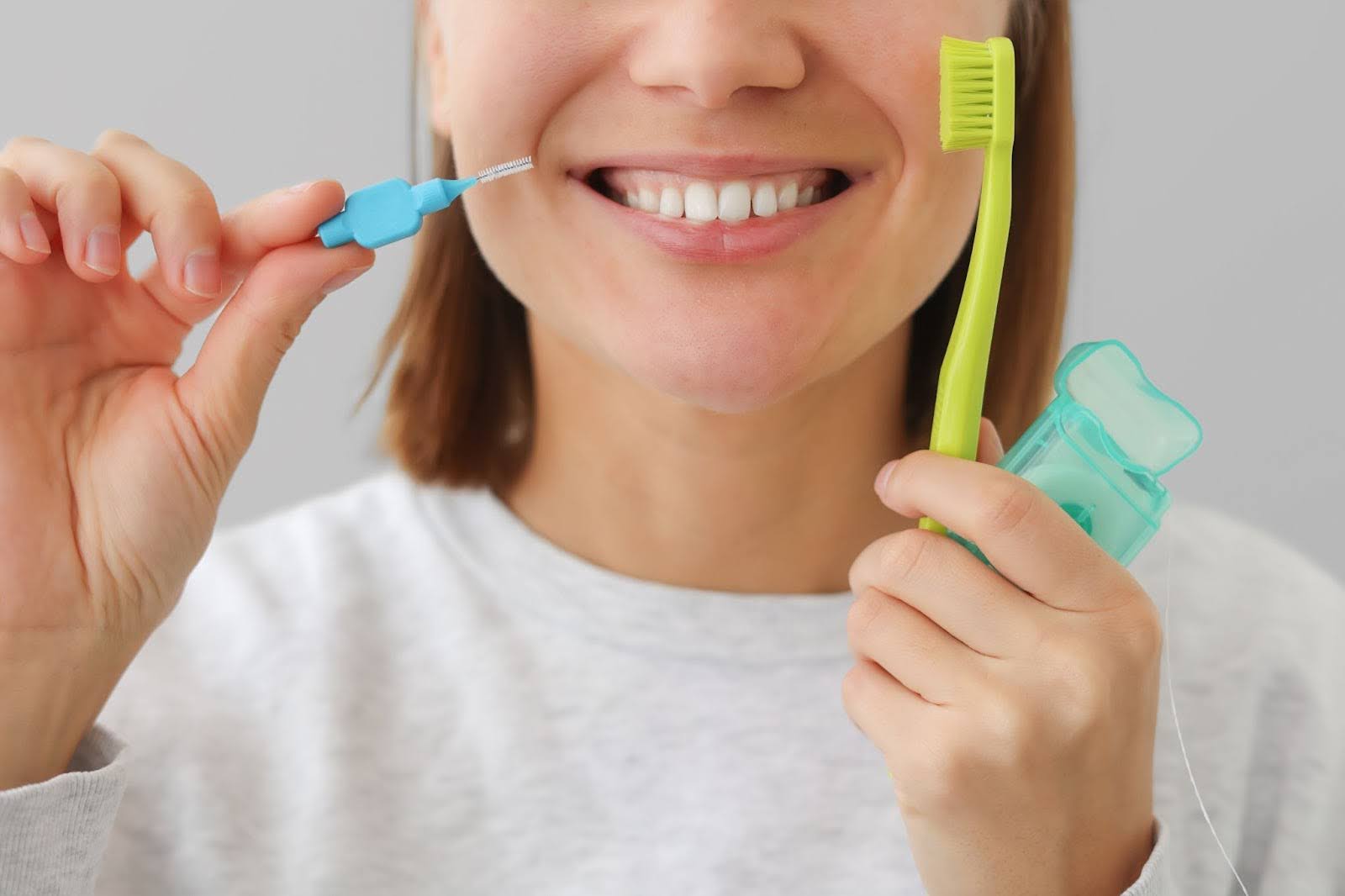
Interdental brushes and dental floss
The spaces between your teeth are areas that a regular toothbrush can’t reach. This is where cavities often form. Interdental brushes (choose the size based on the space between your teeth) or dental floss are an essential part of proper oral hygiene.
Mouthwash as a supplement
Mouthwashes help reduce bacteria, freshen breath, and some promote tooth enamel remineralization. Choose an alcohol-free option and use it 1–2 times a day.
Sonic and electric toothbrushes
A sonic toothbrush is ideal for people with limited manual dexterity or for those who want maximum effectiveness. An electric toothbrush can remove up to 20% more plaque than a manual toothbrush.
The Most Common Mistakes When Brushing Your Teeth
Many people think they’re brushing their teeth correctly, but they’re actually making mistakes that can lead to health problems:
- Using a hard-bristled toothbrush or applying too much pressure.
- Missing back teeth —especially molars.
- Cleaning too quickly— less than 1 minute.
- Omission of interdental spaces.
How can you brush your teeth without a toothbrush?
What should you do if you forget your toothbrush, say, while on vacation?
If you're in a pinch, there are a few tricks you can try:
- Apply the paste to a clean finger and gently spread it over your teeth.
- Use sugar-free gum, ideally with xylitol, which promotes remineralization.
- Rinse your mouth with water or a saltwater solution.
- As a last resort, you can use baking soda or salt, but only for a short time—they can damage the enamel.
Special tips for children, braces, and sensitive teeth
How should children brush their teeth?
For children, it is important to start practicing proper oral hygiene as soon as their first teeth come in. Use a children’s toothbrush with soft bristles and toothpaste with a lower fluoride content. Until the age of 6, parents should help with brushing or at least supervise it. This way, the child will learn the proper technique and develop good habits that will last into adulthood.
Brushing Your Teeth with Braces
Patients with braces need special care—whether they have traditional fixed braces or clear aligners. In addition to a regular toothbrush, they should also use single-tufted brushes, interdental brushes, and dental floss with a floss threader, and visit the dental hygienist regularly. For more information, see the article “How to Brush Your Teeth with Braces.”
More reading recommendations:
- A comprehensive guide to living with braces
- Tips and Tricks: How to Make Life Easier with Invisible Braces?
- 5 Questions About Invisible Braces You Were Afraid to Ask
- Review of "The World of Braces": with responses from Venis Dao, Jan Hrdlička, and Lucie Bechynková
Brushing with Sensitive Teeth
We’ve written a detailed article on this topic: What to do about sensitive teeth? 🤔 The most common causes and what really helps
A beautiful smile starts with daily care
Clean teeth = healthy teeth. And this is even more important if you wear braces. During orthodontic treatment, it’s especially important to know which brushing technique to use, what tools to use, and when to brush your teeth to prevent plaque from building up under your braces and to avoid cavities or gum inflammation.
Not sure if you're doing it right? We'd be happy to help.
👉 Schedule a free, no-obligation consultation at Svět rovnátek. We’ll show you how to properly care for your teeth, whether you’re wearing braces or not—and help you on your journey to a beautiful, healthy smile.
You often ask
How to brush your teeth, step by step?
Use a soft-bristled toothbrush, hold it at a 45-degree angle to your teeth, and use gentle circular motions from the gum line toward the tooth. Be sure to clean all surfaces of your teeth and the spaces between them.
How long should you brush your teeth?
At least 2–3 minutes, two to three times a day, ideally in the morning and evening. Spend the most time on your evening cleansing routine.
When should you brush your teeth—before or after a meal?
It depends on the type of food. It’s best to wait 30 minutes after eating acidic foods; otherwise, you can brush your teeth even before breakfast.
Recommended Reading: Foods for Healthy Teeth 🦷 A Comprehensive Guide | Svět rovnátek
How often should you use mouthwash?
Ideally 1–2 times a day, always after thoroughly brushing and flossing your teeth.
How can I remove tartar at home?
You can’t remove tartar at home on your own —neither a toothbrush nor toothpaste is enough. Once plaque hardens, it adheres firmly to the tooth, and the only safe way to remove it is to visit a dental hygienist.
At the dentist’s office, the hygienist will remove tartar using an ultrasonic scaler or hand instruments without damaging your teeth. At home, you can only slow down its buildup —by brushing regularly, using interdental brushes, and cutting back on sweets.
Resources used:
- Attin, T., & Hornecker, E. (2005). Tooth brushing and oral health: how frequently and when should tooth brushing be performed?. Oral Health & Preventive Dentistry, 3(3), 135–140.
- Fankari, F., & Krisyudhanti, E. (2024). The Effect of Tooth Brushing on Caries Prevalence in Children. Dental Therapist Journal. https://doi.org/10.31965/dtj.v6i1.1406
- Fernández, C., Silva-Acevedo, C., Padilla-Orellana, F., Zero, D., Carvalho, T., & Lussi, A. (2024). Should We Wait to Brush Our Teeth? A Scoping Review Regarding Dental Caries and Erosive Tooth Wear. Caries Research, 58, 454–468. https://doi.org/10.1159/000538862
- Hidayani, W. (2020). Risk Factors Related to Dental Caries in Elementary School Students in Grades 4–6 in Singaparna District, Tasikmalaya Regency in 2019. **, 259–265. https://doi.org/10.2991/ahsr.k.200311.049
- Liu, Y., Wang, C., Zhang, P., Fu, W., Zhang, J., Zhang, Z., Mao, J., Yang, Y., & Zou, L. (2024). Association Between the Frequency of Tooth Brushing and the Risk of Cardiovascular Disease: A Systematic Review and Meta-analysis. Angiology, 76, 225–234. https://doi.org/10.1177/00033197231219836.
- O’Toole, S., Bernabé, E., Moazzez, R., & Bartlett, D. (2017). Timing of dietary acid intake and erosive tooth wear: A case-control study. Journal of Dentistry, 56, 99–104. https://doi.org/10.1016/j.jdent.2016.11.005
- Park, S., Kim, S., Kang, S., Yoon, C., Lee, H., Yun, P., Youn, T., & Chae, I. (2018). Improved oral hygiene care reduces the cardiovascular risk associated with oral health conditions: a population-based study from Korea. European Heart Journal, 40, 1138–1145. https://doi.org/10.1093/eurheartj/ehy836.
- Raison, H., Corcoran, R., & Harris, R. (2021). Is toothbrushing behavior habitual? Cues, context, motivators, and patient narratives. Community Dentistry and Oral Epidemiology. https://doi.org/10.1111/cdoe.12624
- Rusmiati, R., & Rosmawati, R. (2023). Determinants of Appropriate Toothbrushing Behavior. Universal Journal of Public Health. https://doi.org/10.13189/ujph.2023.110302
- Sahoo, S., Nandini, D., Basandi, P., Selvamani, M., & Donoghue, M. (2022). A Comparison of Pre- and Postbreakfast Tooth Brushing in Caries Prevention through the Estimation of Streptococcus mutans Counts: A Prospective Clinical and Microbiological Study. Journal of Microscopy and Ultrastructure, 10, 168–173. https://doi.org/10.4103/jmau.jmau_90_21