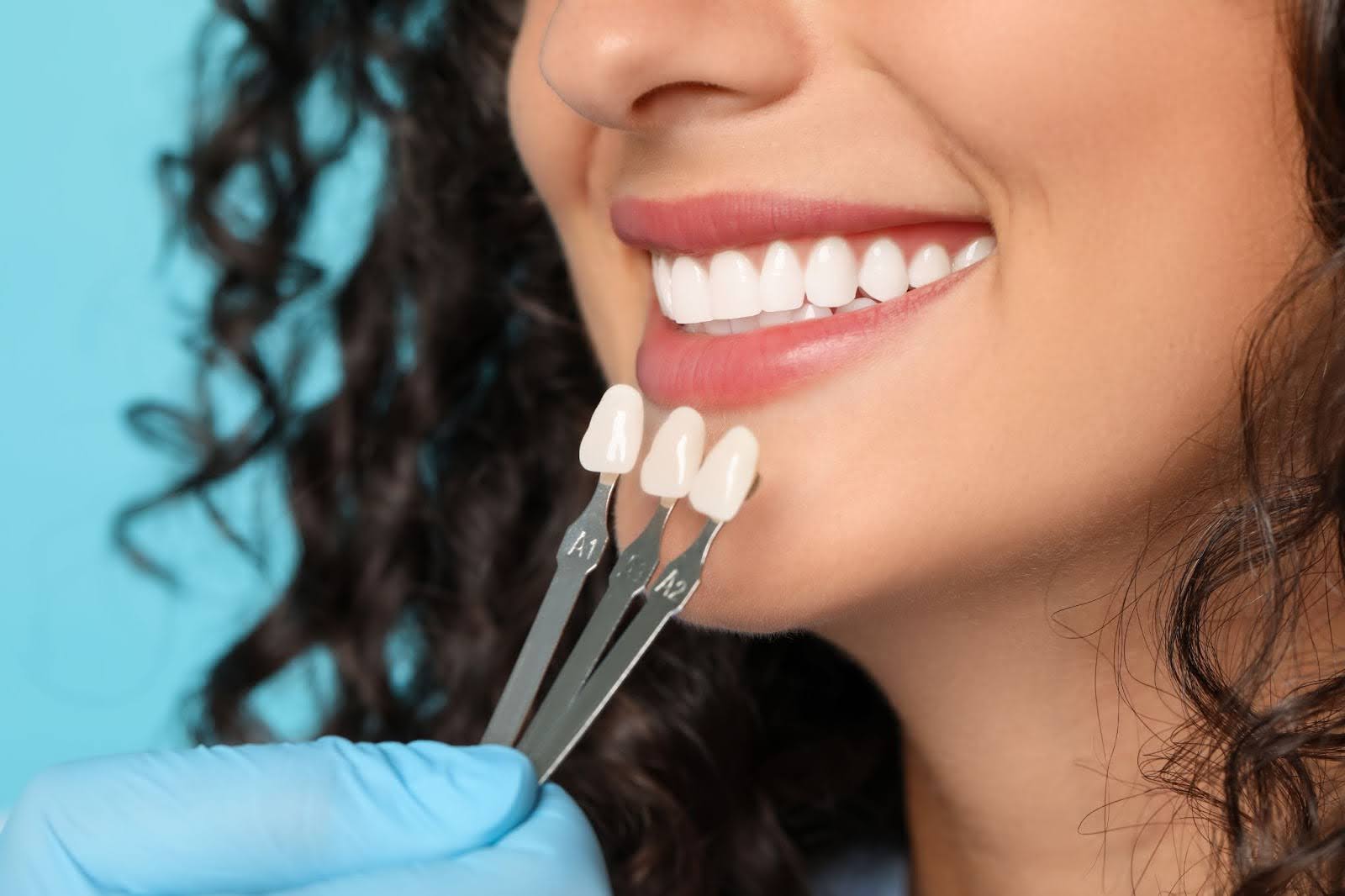
Dental Veneers: Experiences of People Who Have Undergone This Cosmetic Procedure
A bright white and perfectly straight smile is more accessible today than ever before—and one of the most popular ways to achieve it is through dental veneers. But what can you expect from a procedure often referred to as the “shortcut to beautiful teeth”? Is it worth the investment? Does it hurt? And what are the experiences of people who already have ceramic veneers? We bring you a detailed article full of answers, real stories, and practical advice.
What are dental veneers, and who can benefit from them?
Veneers are thin “sheets” made of ceramic or composite material that are bonded to the front surface of the tooth. Their main purpose is to improve the appearance of your smile —to cover stains, irregularities, small gaps between teeth, or even chipped teeth.
They therefore serve as an aesthetic replacement for enamel. And that is precisely why they can transform a smile in just a few visits.
Dental Veneers: What Do Patients Say?
To make this article as practical as possible, we’re sharing the real-life experiences of patients at our sister cosmetic dentistry clinic, DENTALABS, who have had veneers placed.
Petra, 31: “It changed my life. Literally.”
“I’ve always had beautifully straight teeth, but my enamel was poor. They were probably never white. I tried teeth whitening — the effect was minimal and short-lived. Eventually, my dentist recommended veneers. I was skeptical; after all, you read all sorts of things in discussions about veneers. But I went for it. After three visits, I have a smile straight out of a commercial. I won’t deny that it cost me a lot—70,000 CZK for six teeth—but I don’t regret a single crown.”
Klára, 27: “Porcelain veneers? Best decision ever!”
“I really did my research thoroughly. I read just about every thread titled ‘ceramic veneers discussion.’ In the end, I chose a reputable clinic where they went over every little detail with me. They did veneers on my four front teeth. The price was higher, but the result is amazing. No one can tell that I have anything artificial. My experience with veneers has been overwhelmingly positive.”
How is the procedure performed?
The procedure usually takes 2–3 visits:
- Consultation and planning – assessment of the condition of your teeth, recommendation on the number of veneers, and selection of color and shape.
- Tooth preparation – minimal removal of enamel (in the case of traditional veneers, not so-called "no-prep" veneers).
- Intraoral scan + temporary veneers – temporary cosmetic veneers for your teeth until the final ones are ready.
- Placement of ceramic veneers – final cementation and finishing.
What does the expert say?
According to cosmetic dentists, the most important factor is proper patient selection. Not everyone is an ideal candidate. For example, veneers are often not recommended for patients with bruxism (teeth grinding)—or they must be combined with the regular use of night guards.
Always discuss this with your dentist and ask them to explain the benefits and risks.
Discussion on the cost of veneers: How much do they cost, and why?
The price varies depending on the type of material and the clinic. Most often, you will pay:
- Composite veneers: 4,000–8,000 CZK per tooth
- Porcelain veneers: 10,000–18,000 CZK per tooth
Discussions about the cost of veneers tend to be lively. People often debate whether the investment is “worth it.” The answer? It depends on what you expect from the results. If you want a perfect appearance, long-lasting results , and a natural look, porcelain is the clear choice— despite the higher upfront cost.
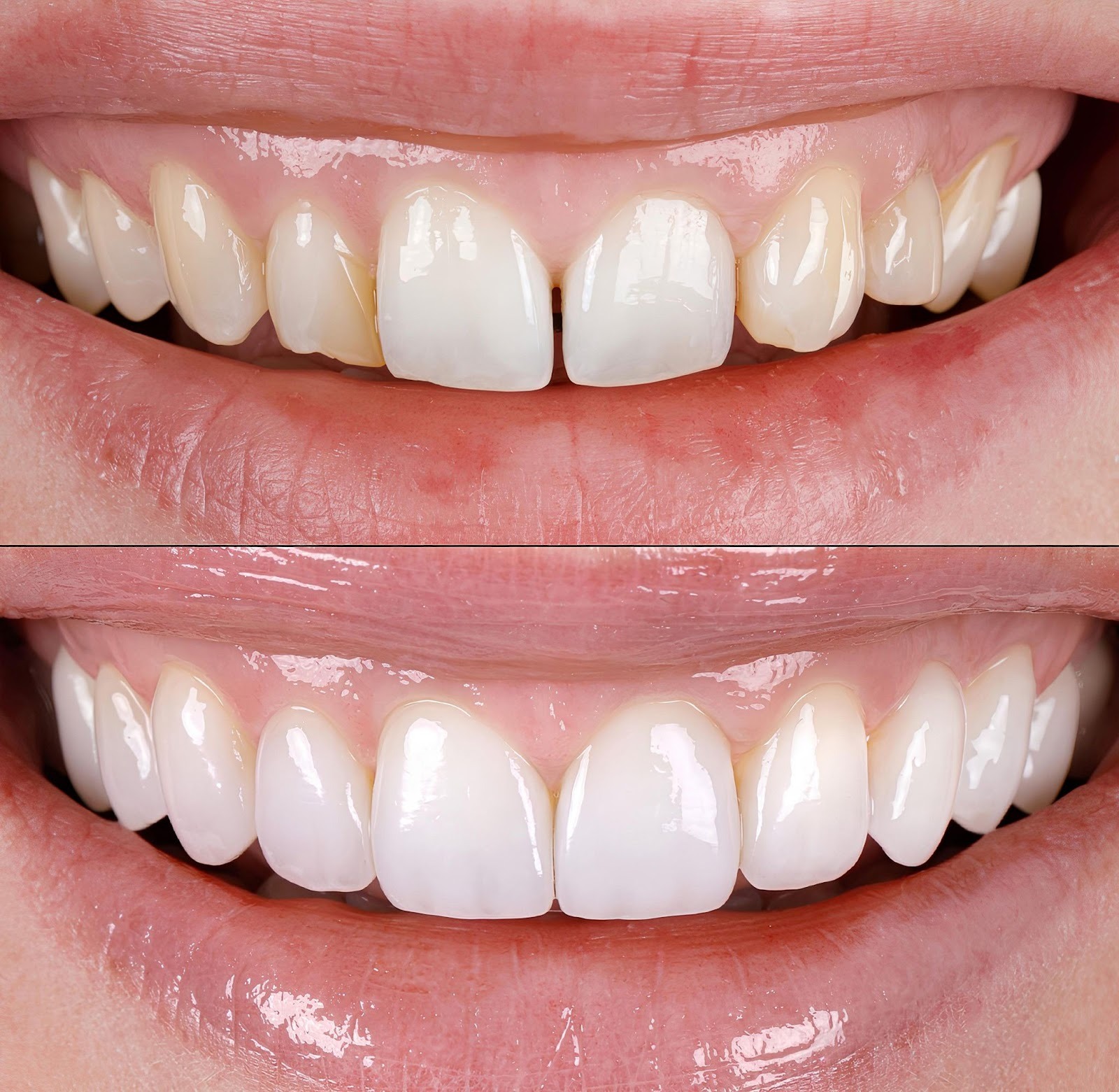
Frequently Asked Questions: Dental Veneers and Patient Experiences
Does getting veneers hurt?
No. The entire procedure is performed under local anesthesia. The tooth may be slightly sensitive after the procedure, but it is not a painful procedure.
How long do veneers last?
Ceramic veneers typically last 10–15 years, sometimes even longer. Composite materials have a shorter lifespan—5 to 8 years.
Can veneers be removed?
Not exactly. With most veneers , the enamel is ground down— so the tooth can no longer do without a restoration.
What if the veneer gets damaged?
Ceramic is very durable, but it can crack if subjected to a strong impact or if bitten down on hard. Replacement is possible, but expensive. However, this doesn't happen very often.
Are veneers suitable for front teeth as well?
Yes, the front teeth are the most common target for veneers, because they are the most visible when you smile.
Can I get veneers if my teeth are crooked?
It depends on the severity of the misalignment. For minor misalignments, veneers can help, but more severe orthodontic issues need to be treated with braces first.
Which are better—ceramic or composite veneers?
Ceramic veneers look more natural, are more durable, and last longer. Composite veneers are less expensive but less durable.
If you’re still not sure whether veneers are right for you, schedule a no-obligation consultation. We’d be happy to help you find the best path to your dream smile.